The anti-chain.
A chain doesn't win because it's better. It wins because it can pay to be everywhere you look. Here's what we're building against.
Pay-to-play visibility
The top of every search goes to whoever spent the most, not whoever's best. The spot you'd actually love is on page three because they put their money into the food instead of the ad budget.
Sameness by convenience
Every block flattening into the same dozen logos. Convenience wins by default — until there's nothing left worth choosing, and every neighborhood looks like every other one.
One top 10 for everyone
A tourist and a ten-year local get handed the identical list. Taste, context, the place around the corner that's yours — all flattened into whatever ranks highest for the most people.
Four sides of one local economy.
I didn't build for one side. Local doesn't win if you only serve one corner of it. The crew, the artist, the promoter, the venue — they're four parts of one living network. Serve all four and they reinforce each other: guests find the artists, artists fill the venues, promoters curate the nights, venues see who loves them. That loop is the whole product.
The crew
The friend group in the chat. The solo person who wants to find their city on their own terms, not from the same Yelp top 10 everyone already knows. Save the spots you actually love, follow people whose taste matches yours, and the city opens up — drawn by people whose taste actually fits yours, not by 10,000 strangers' opinion.
Start your taste profile → For artistsThe artist
The DJ at MK on U. The student set at Howard. The opener nobody put on the map. Post your show, your followers get pushed, and the people whose taste fits your set actually find out.
Artist signup → For promotersThe promoter
The collective stitching a residency. The brand running a monthly. Post the show, tag the artists, watch the right cluster walk in — and get the credit for the nights you make.
Promoter signup → For venuesThe venue
The bar. The wine garden. The coffee shop that's busier on Wednesday than its Yelp page suggests. The same engine that helps a crew lock in tells a venue who's saving them, when, and why.
Claim your venue →Four sides of one local economy. When one grows, they all do. See how the loop works →
When a city runs on Converge.
This is the city I'm building toward — not a marketplace, but an ecosystem where local culture is finally as easy to find as the chain on the corner.
The local scene gets an index
Every artist, every venue — searchable, organized, indexed. The DJ nobody could find becomes the DJ everybody can. The whole scene goes from word-of-mouth to a living directory you can actually browse.
Venues and art grow together
Venues host local artists; artists grow from playing real rooms. We'll reward it directly — an opt-in boost in the algorithm for venues that put local artists on their calendar a few nights a month. Hosting culture becomes a growth strategy, not a favor.
Promoters become names
The people curating the vibe stop being invisible. They build a following on a platform built for them and get recognized for their taste — mini-celebrities of the night, credited for the rooms they fill.
The drive-by becomes a stop
People who used to pass your neighborhood on the way to a chain stop and spend it on the block instead. Local revenue, staying local — because discovery finally points inward, toward the place around the corner, not out toward the franchise.
Nine cities. Five countries.
From Adams Morgan to Anacostia, U Street to the Wharf. Live now, growing weekly.
From Echo Park to Venice, Highland Park to West Adams. Live now, growing weekly.
From the West Village to Williamsburg, Harlem to Flushing — all five boroughs. Live now, growing weekly.
A small team, on purpose.
Converge is built lean so every decision stays close to the thing that matters — getting your crew out the door with a plan they're excited about. Here's how it's been built, chapter by chapter.
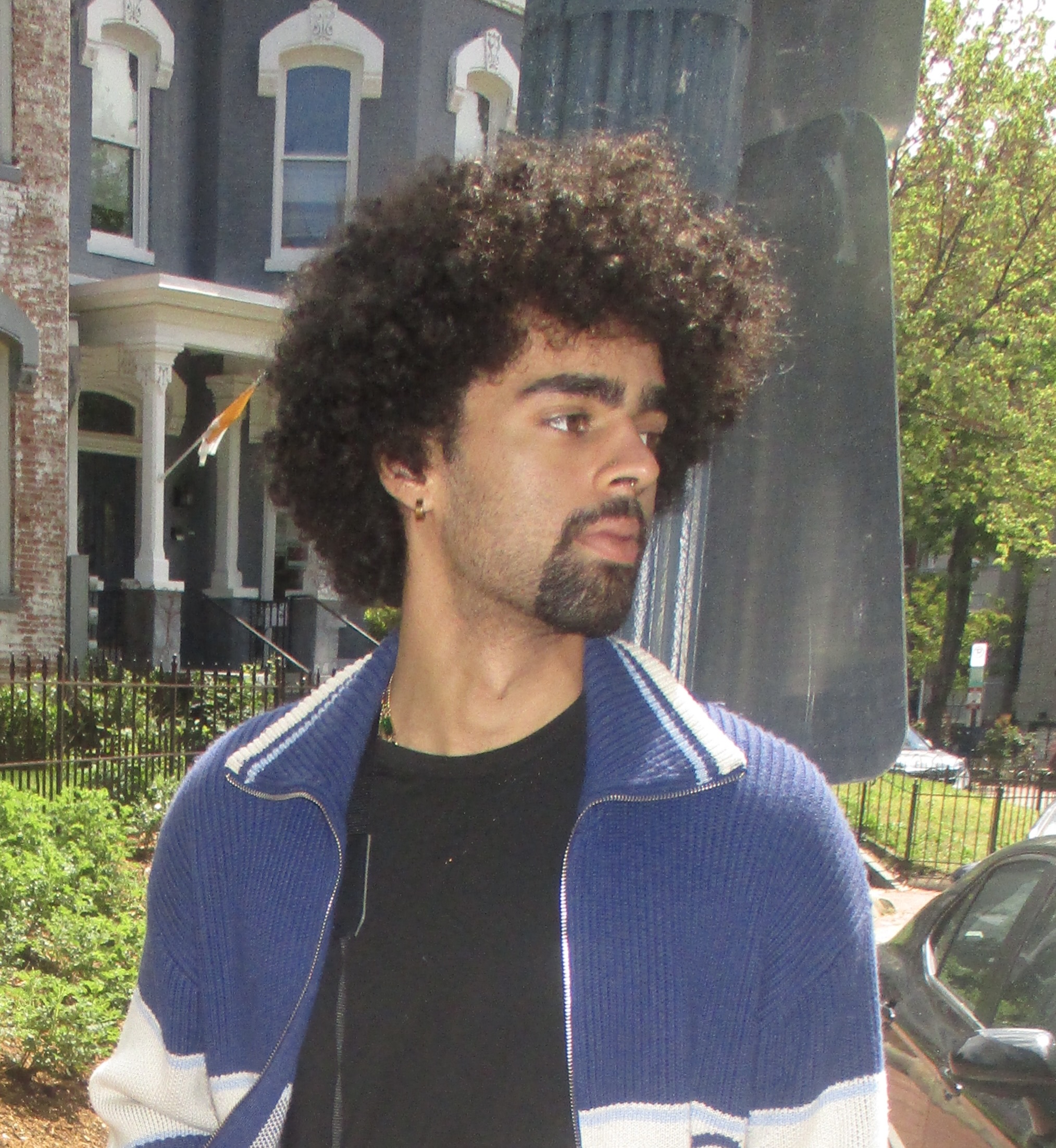
Converge started as one person and Anthropic's Claude as the engineering force multiplier — schema, scoring, design, copy, deploys, every part of the stack. It's still how most of the product ships, and it's why a team this small can move like one many times its size.
Our lead developer builds AI-powered SaaS, computer-vision, and automation systems with a focus on clarity and usability — and owns the mobile build, taking Converge from the web into a native app that lives in your pocket.
Chapter three is being written — the team is growing. A head of growth is next, to take the city playbook one neighborhood at a time.